Saving the world's smallest turtle is no small task
The most endangered turtle in Mexico
At the heart of Puerto Vallarta, a popular tourist destination in Mexico, amid concrete and busy streets, the last populations of the Vallarta Mud Turtle survive.
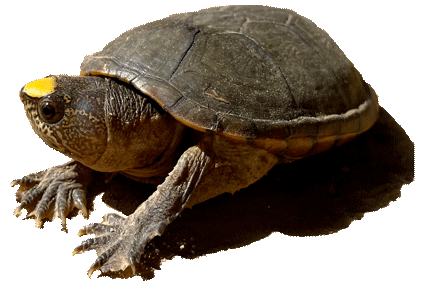
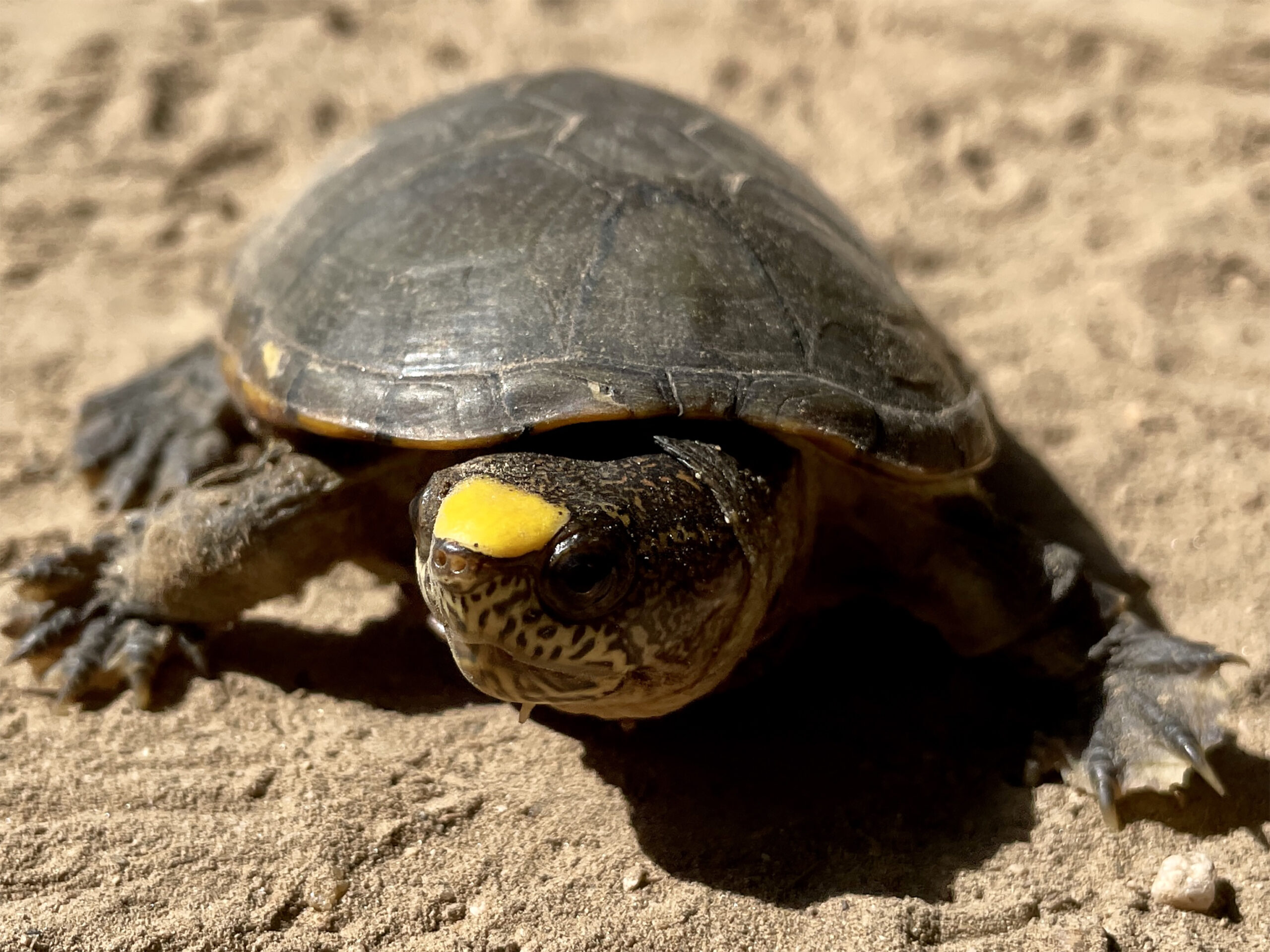
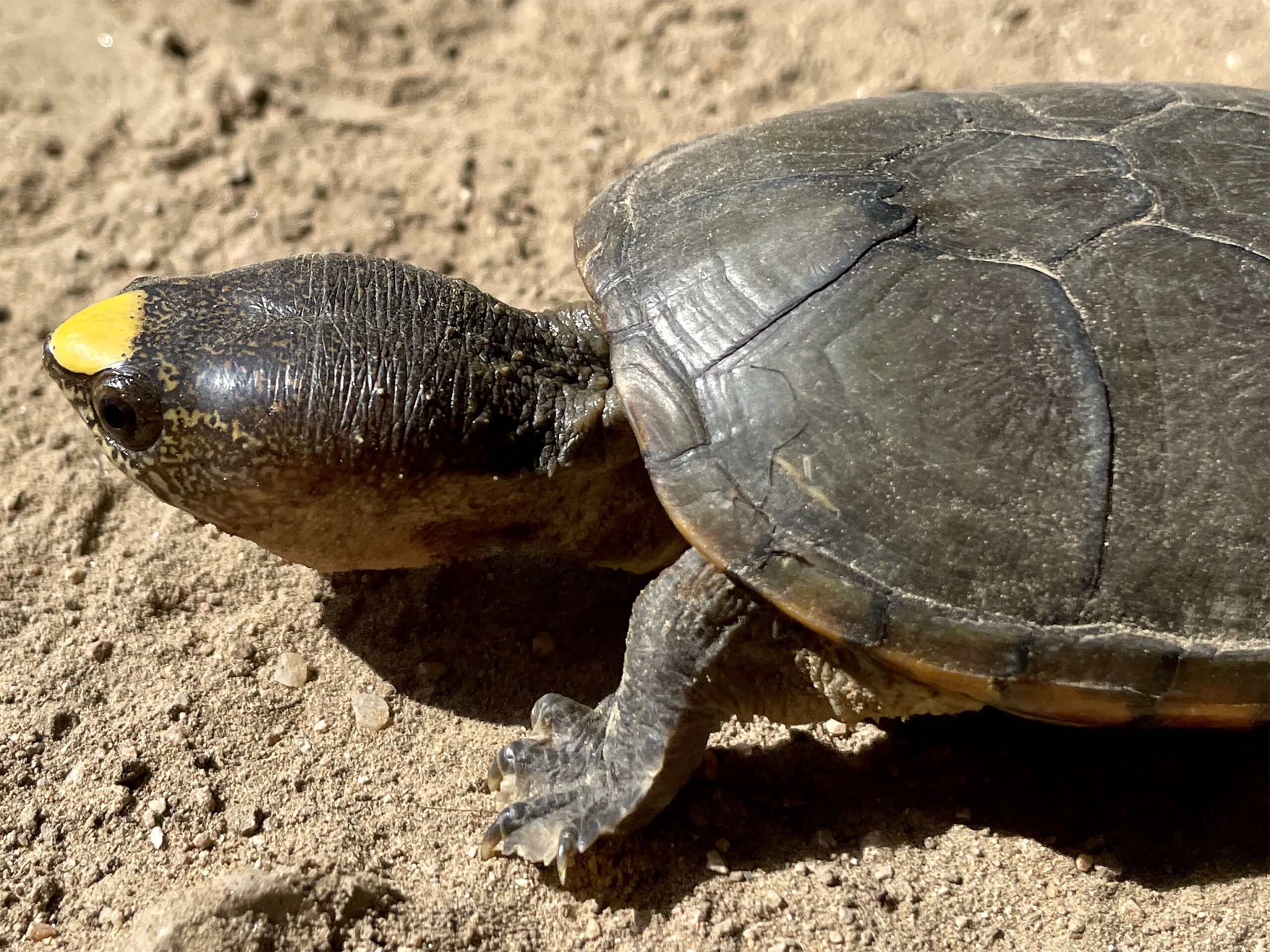
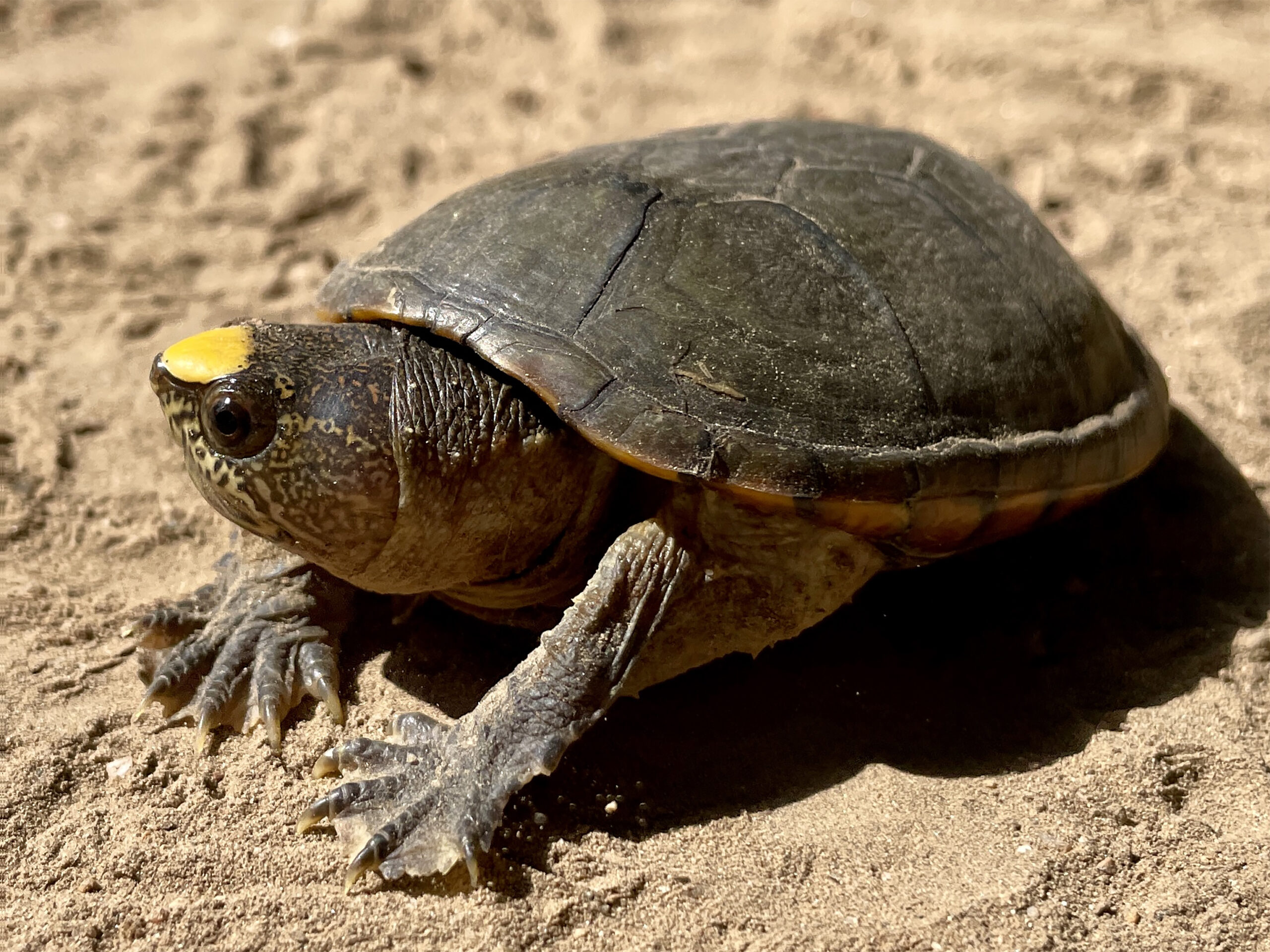
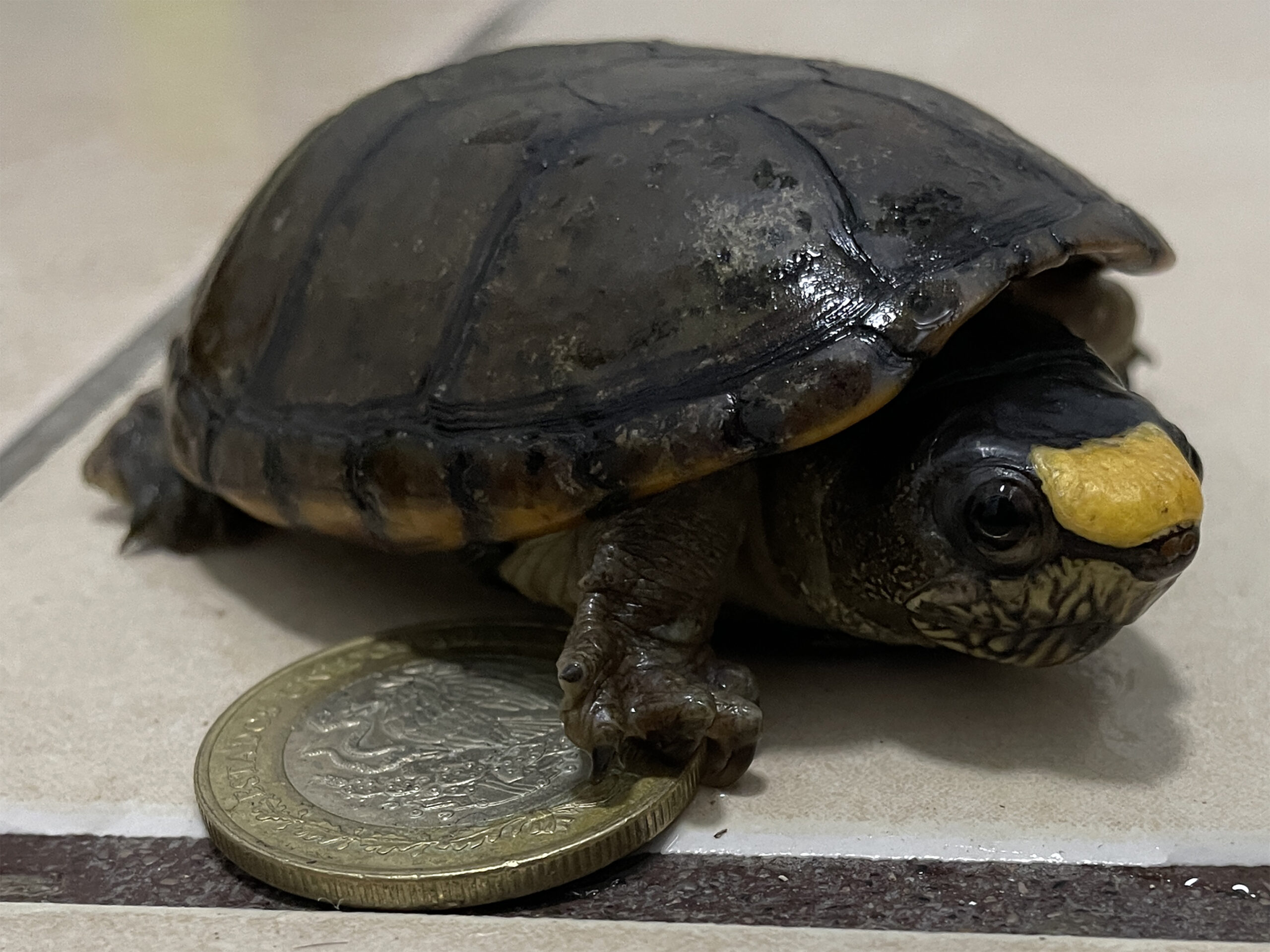
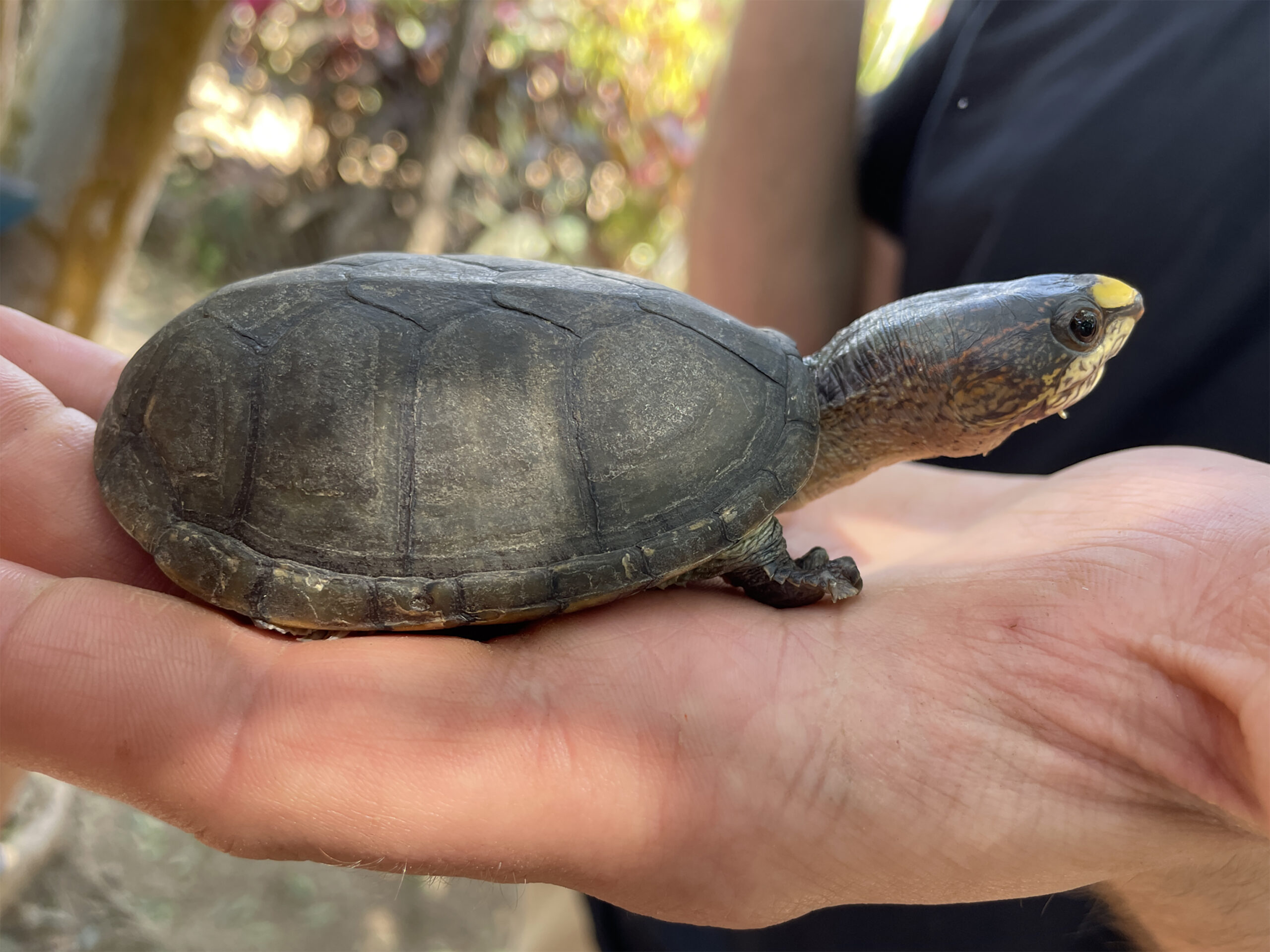
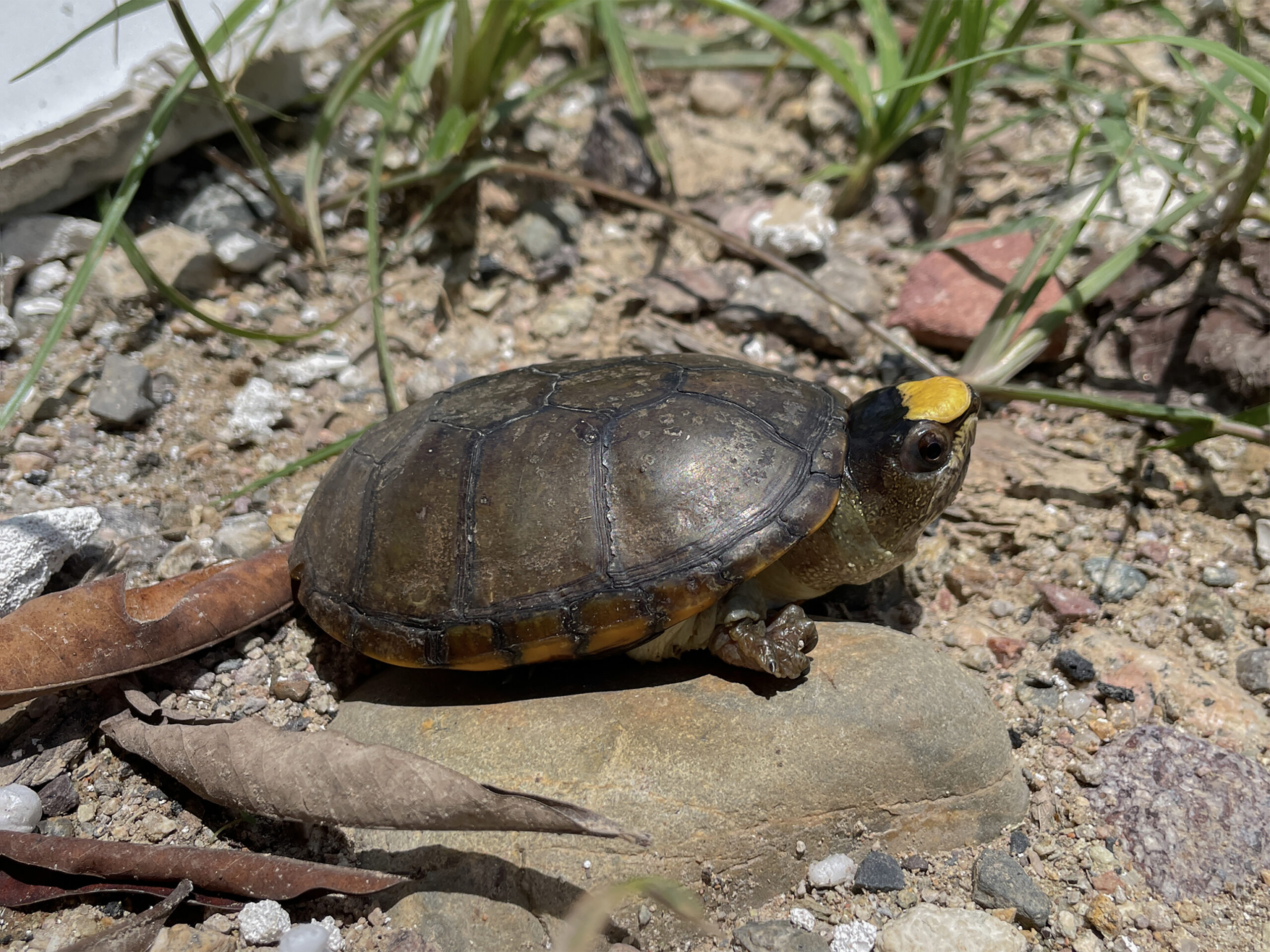
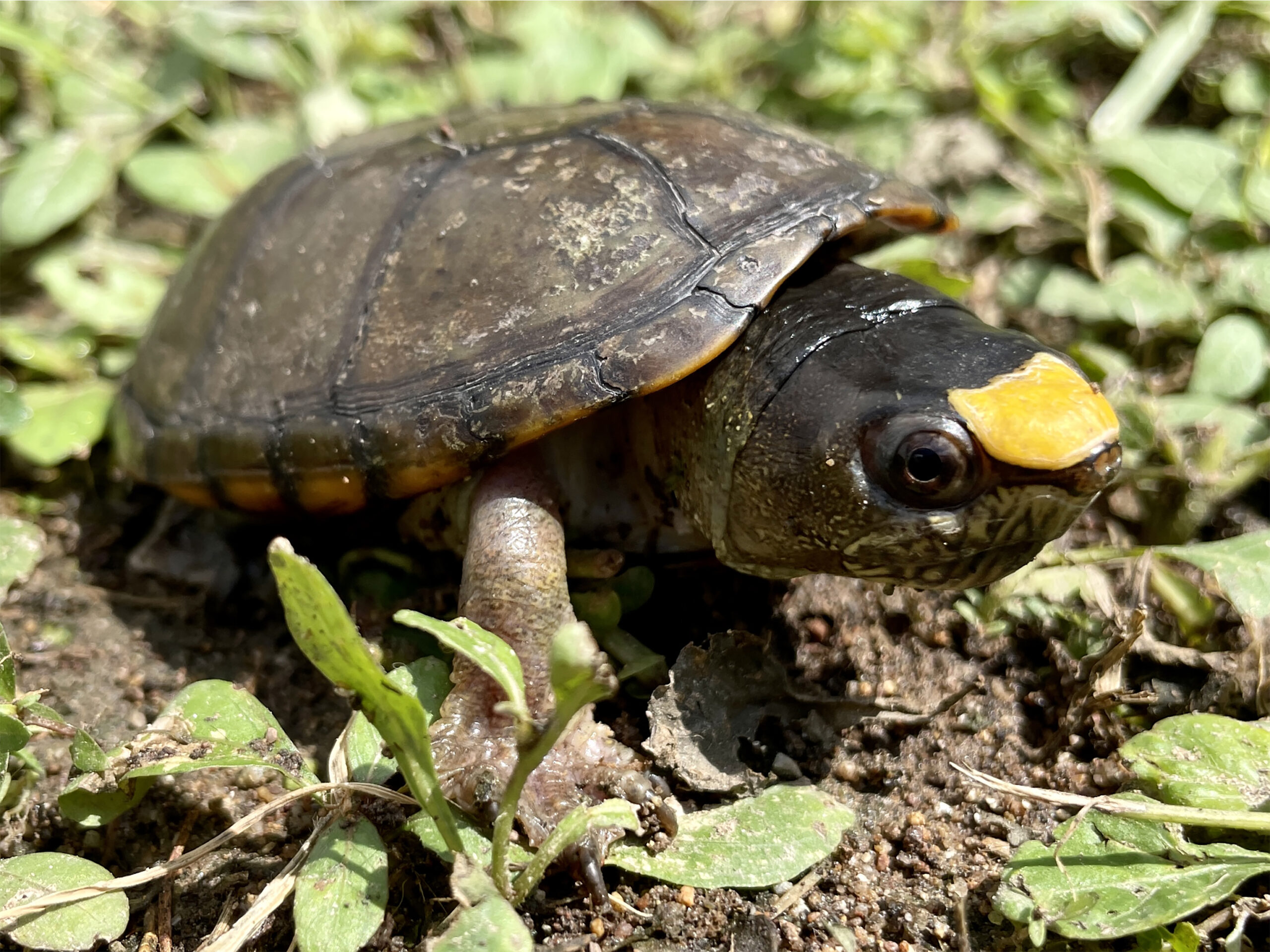
This is a very special turtle. Not only is the world’s smallest turtle, measuring no more than 10 centimeters long, but also, males of this species have a distinctive yellow shield on their noses.
The Vallarta Mud Turtle was discovered in 2018, and since then, it was known that its populations were severely threatened by urbanization. Today is the most endangered turtle species in Mexico, and the most endangered in the Americas.
Scientific name:
Kinosternon vogti
Habitat:
Freshwater lagoons and floodplains
Size:
7 - 10 cm average
Diet:
Seeds, crustaceans, snails, small fish, parts of plants
Conservation Status:
Critically Endangered
Wild Population:
Less than 500 individuals
Click here to visit the source
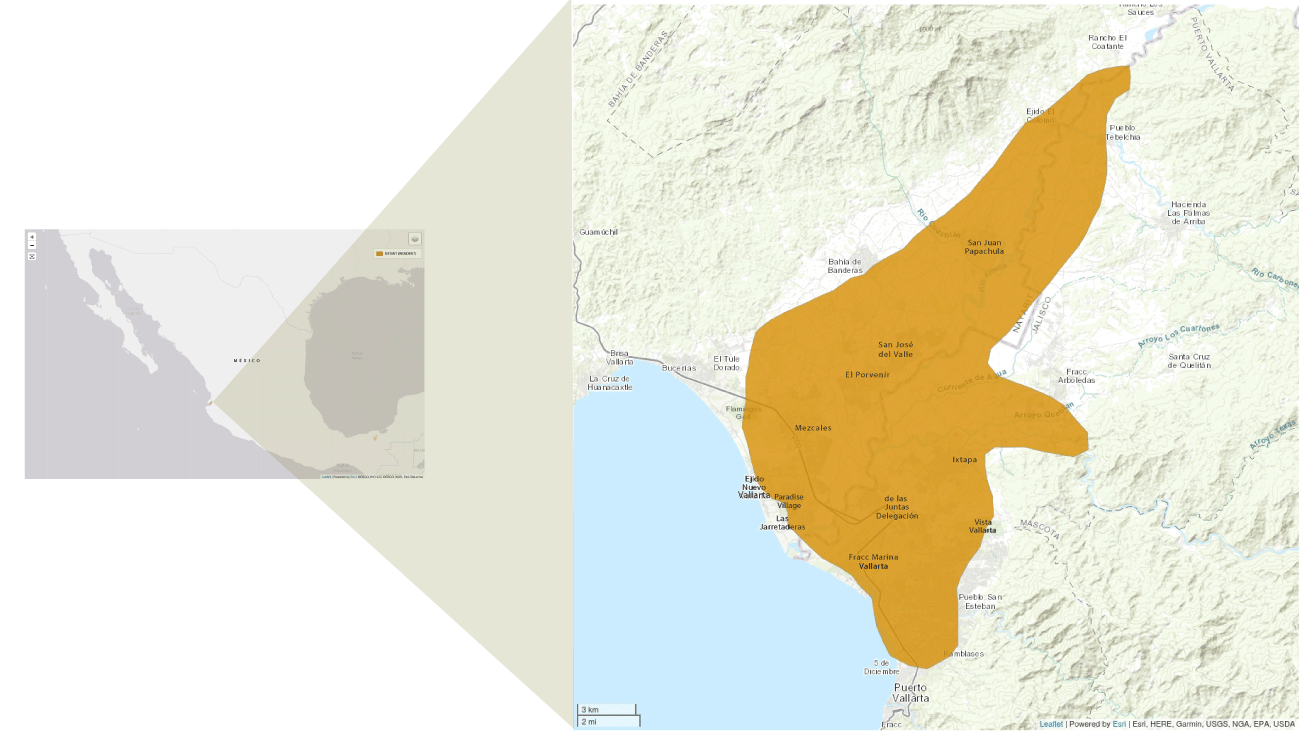
Where can you find it?
I’m found only in the Bahía de Banderas area, Mexico.
I’m found only in the Bahía de Banderas area, Mexico.
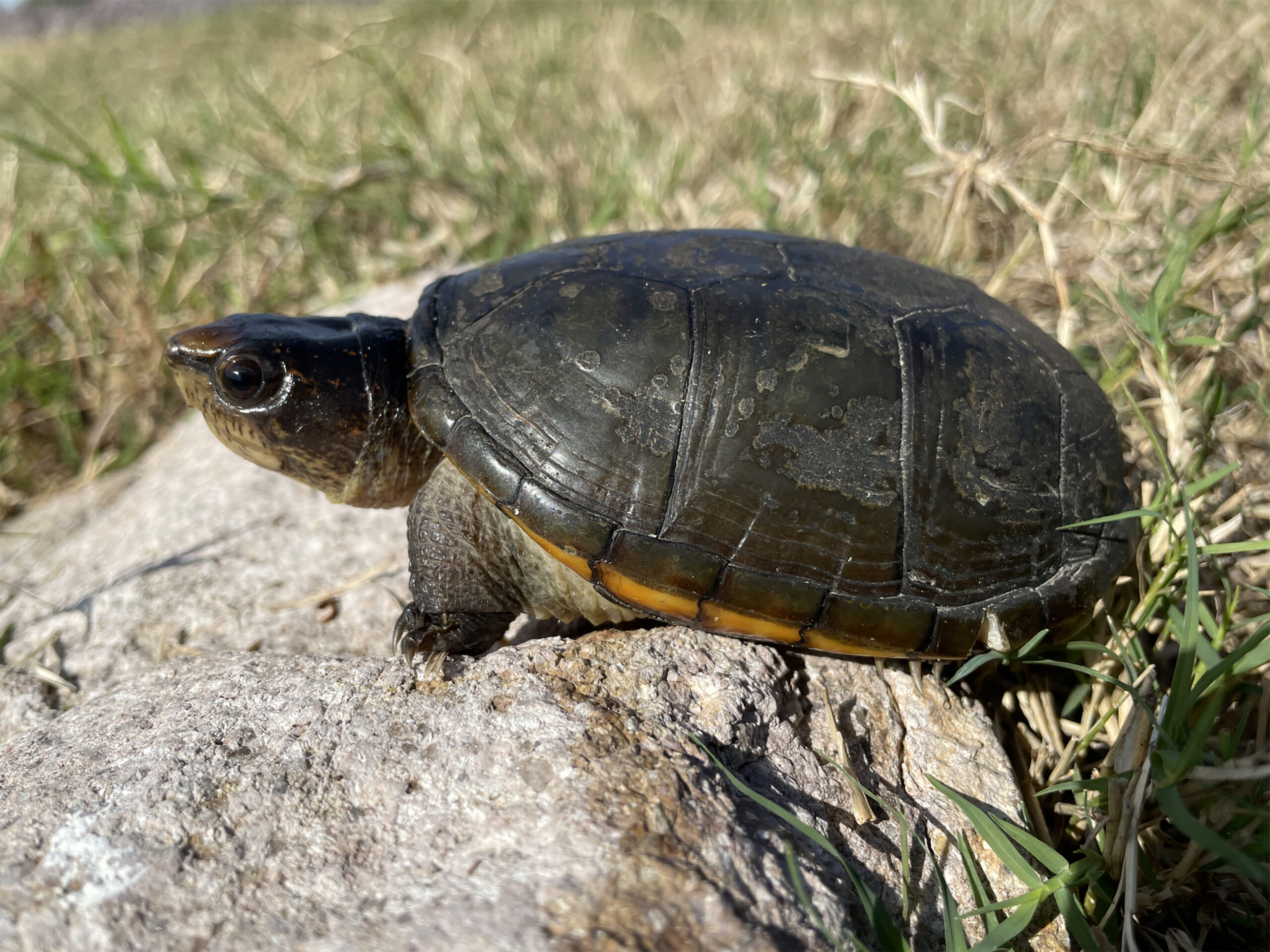
What does it look like?
Male
Female
Threats
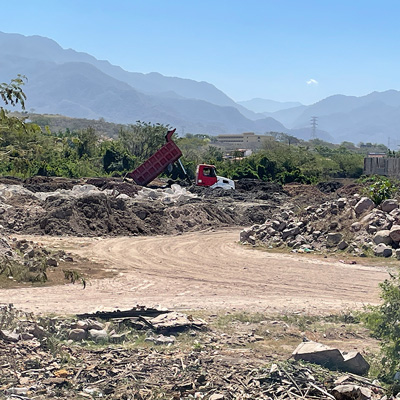
Habitat loss due to urbanization
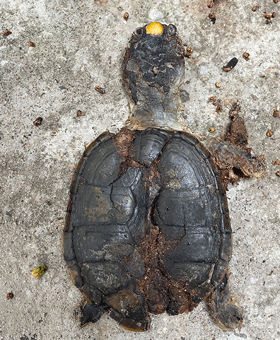
Roadkill
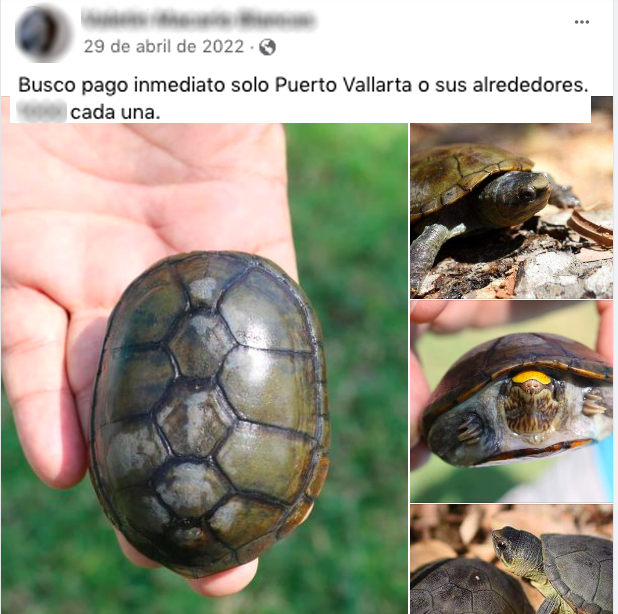
Illegal collection for the black market pet trade
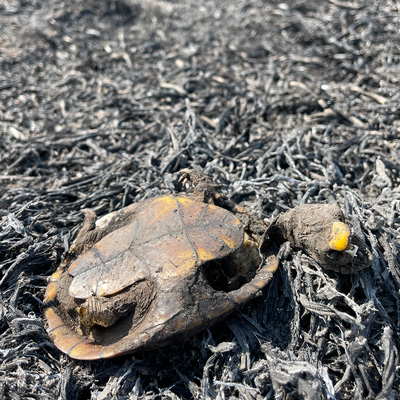
Provoked fires
Displacement by exotic turtles
What are we doing to help?
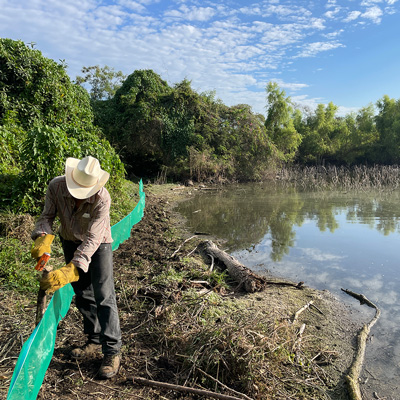
To prevent the Vallarta Mud turtle from becoming extinct, Students Conserving Nature has been carrying out several actions that include monitoring its last populations, studying its behavior and movements in the wild, supporting captive breeding programs, and raising awareness among the community of the crisis facing this species.
Unfortunately, only about 20 hectares of habitat remain for this species -equivalent to only 32 soccer fields!-, and less than 500 individuals are left in the wild. The clock is ticking and without immediate action to conserve the Vallarta mud turtle it could be extinct in the wild within the next five years.
Population monitoring
Radiotelemetry to study behavior and movements
Supporting analysis of genetic diversity in wild and captive populations
Enganging governmental and environmental authorities to develop conservation actions
Establishing relocation sites
Outreach to general public and in schools
How can you help?
Support initiatives that protect the last lagoons where the Vallarta Mud Turtle lives
Report illegal dumping of debris in lagoons and green areas
Report illegal turtle traffickers and collectors
Do not release exotic turtles into the wild
Tell your family and friends about the Vallarta Mud Turtle